
IONMEM 2027
International Conference on Ionic Memory and Physical Computing
From solid-state redox devices to nanofluidic and soft-matter systems
The conference will explore how mobile ions create, retain and transform information across solid-state, nanofluidic and soft-matter systems. It will bring together traditionally separate communities to identify the common physical principles connecting redox memristors, mixed ionic–electronic materials, nanopores, confined electrolytes and responsive interfaces.
Its central aim is to understand how ionic motion produces hidden internal states, memory and nonlinear dynamics, and how these properties can be exploited for physical computing and functional technologies.
Conference Topics
Five interdisciplinary tracks bridging solid-state physics, electrochemistry, nanofluidics, and physical computing.
Physical Origins of Ionic Memory
Ionic memory arises when mobile species modify the internal state of a material or device, allowing it to retain information about previous stimulation. These states may involve conductive filaments, vacancy distributions, redox configurations, concentration gradients or trapped ions. This topic examines where information is physically stored, how memory states are created and erased, and what distinguishes volatile adaptation from long-term retention.
- Filament formation and dissolution
- Oxygen-vacancy and metal-ion migration
- Redox and electrochemical memory
- Ionic concentration polarization and trapping
- Volatile and non-volatile internal states
Scientific Organizers
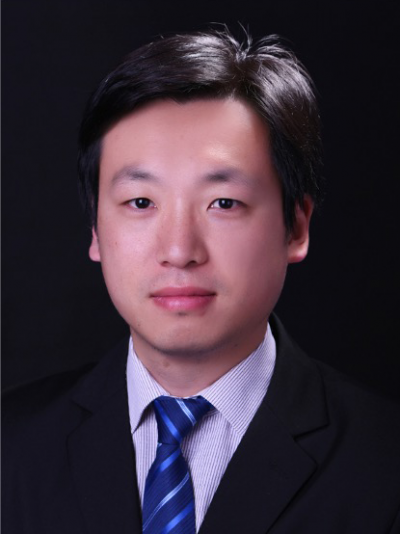
Prof. Yanbo Xie
Northwestern Polytechnical University

Prof. Radha Boya
University of Manchester

Prof. Sabina Spiga
National Research Council of Italy (CNR)

Prof. Jianshi Tang
Tsinghua University
Conference Managed by


Location & Venue
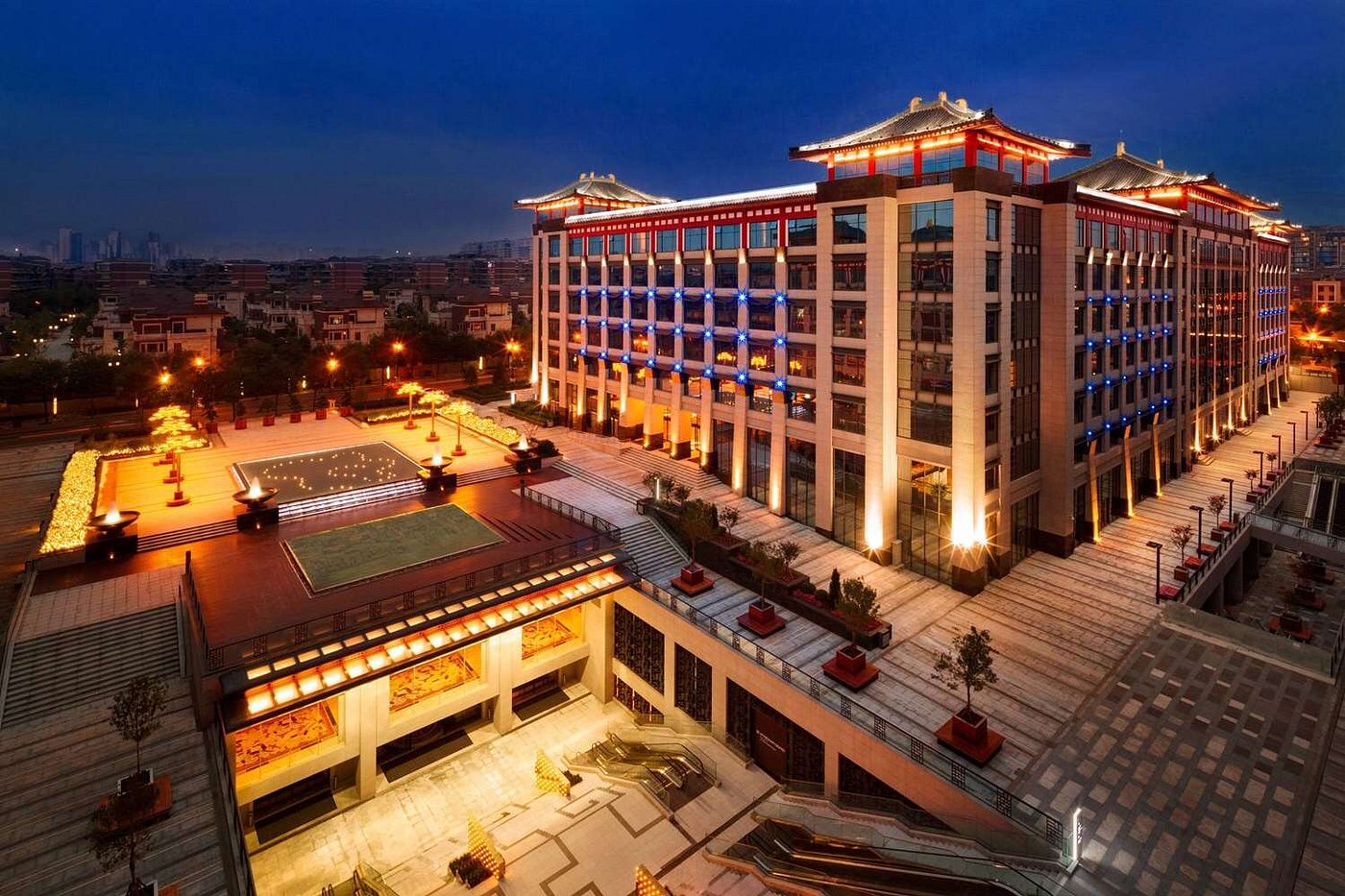
Wyndham Grand Xian South · Qujiang New District, Xi’an
Wyndham Grand Xian South
Qujiang New District, Xi’an
Address: No. 208 Ci’en East Road, Yanta District, Qujiang New District, 710061 Xi’an, Shaanxi, China
Telephone: +86 29 6821 9999
Arrival & Transportation
- Xi’an Xianyang Int’l Airport (XIY)Approximately 45 minutes by taxi or metro express line directly to Qujiang District.
- Xi’an North High-Speed RailwayWell connected to Beijing, Shanghai, and Chengdu via high-speed rail network.
- Qujiang Cultural HubSteps away from renowned museums, scenic parks, restaurants, and historical walks.
Things to Do in Xi’an & Surroundings
Xi’an is one of China’s most historic and culturally significant cities. Known as the starting point of the ancient Silk Road and home to several dynasties throughout Chinese history, Xi’an seamlessly combines a rich cultural heritage with modern urban development.
Today, it is a vibrant metropolis offering efficient public transportation, impressive historical landmarks, diverse cuisine, and a welcoming atmosphere for international visitors.
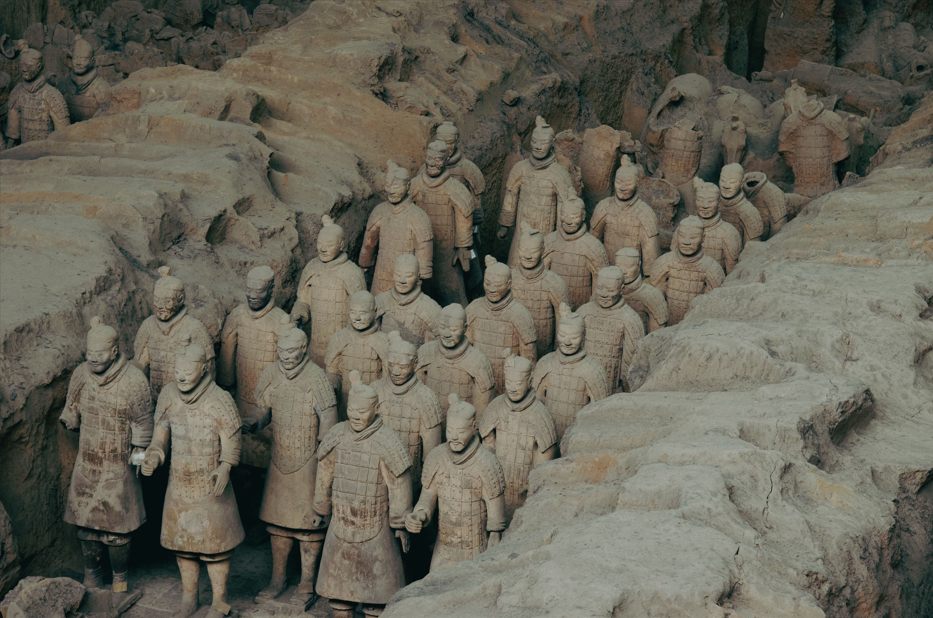
The Terracotta Army
秦始皇帝陵博物院(兵马俑)
One of China’s most famous archaeological discoveries, consisting of thousands of life-sized clay soldiers, horses, and chariots created over 2,000 years ago to guard the tomb of Emperor Qin Shi Huang. An essential visit for all international travelers.
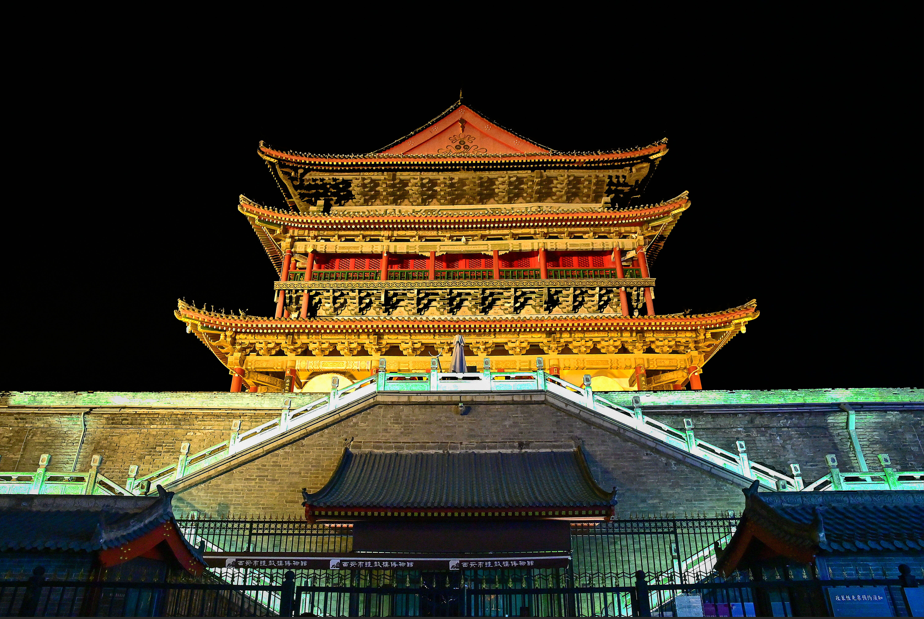
Xi’an Ancient City Wall
西安城墙
The ancient City Wall is one of the best-preserved city fortifications in China. Visitors can walk or cycle along the ramparts while taking in panoramic views of both the historic center and the modern city beyond.
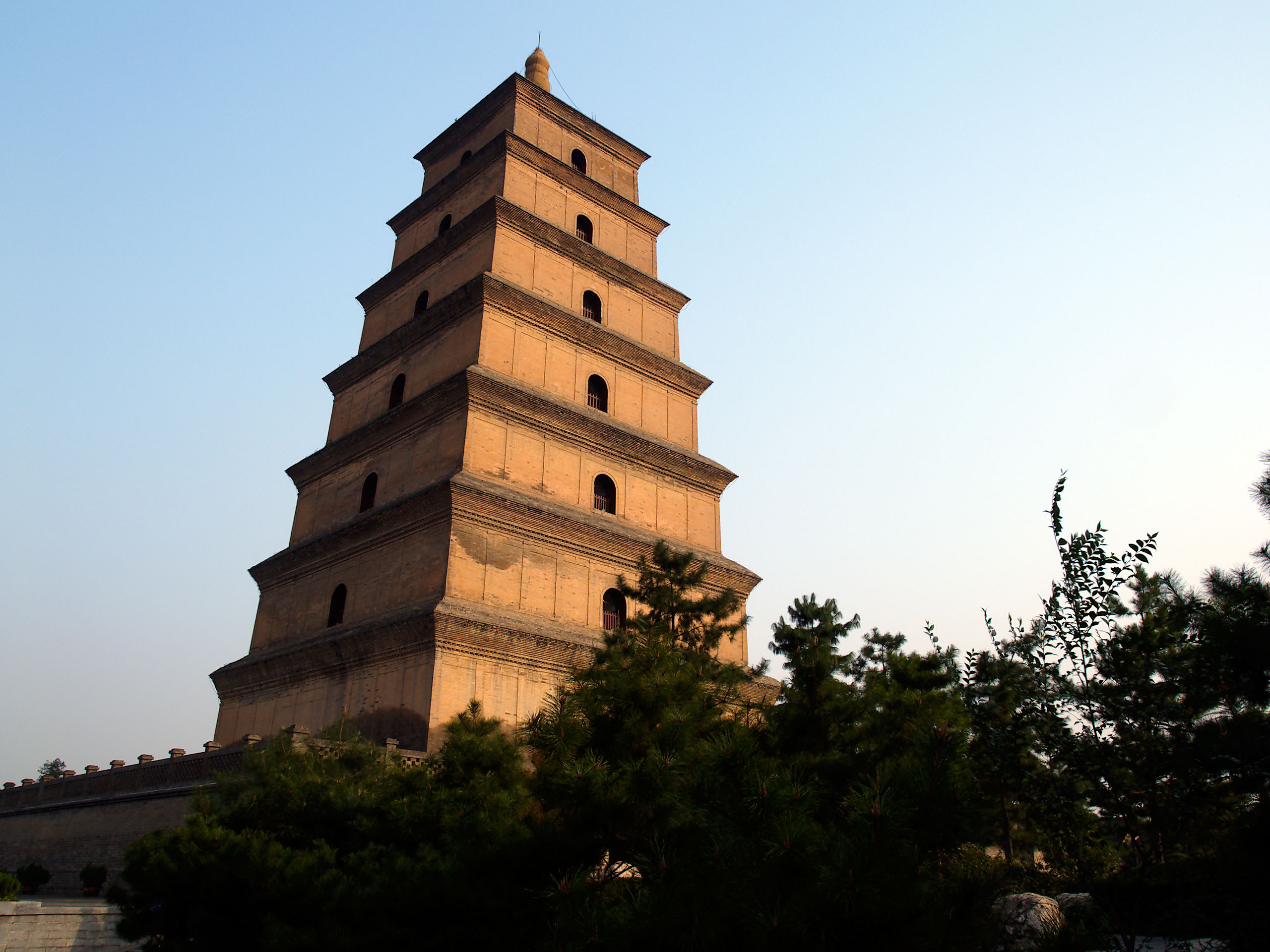
Giant Wild Goose Pagoda
大雁塔
Originally built during the Tang Dynasty to house Buddhist scriptures brought from India, this iconic pagoda is surrounded by landscaped gardens, cultural squares, and vibrant musical water fountain shows.

Mount Hua (Huashan)
西岳华山
One of China’s Five Great Mountains, easily reached from Xi’an by high-speed rail. Renowned for its sheer granite precipices, dramatic hiking paths, and breathtaking panoramic views above the clouds.
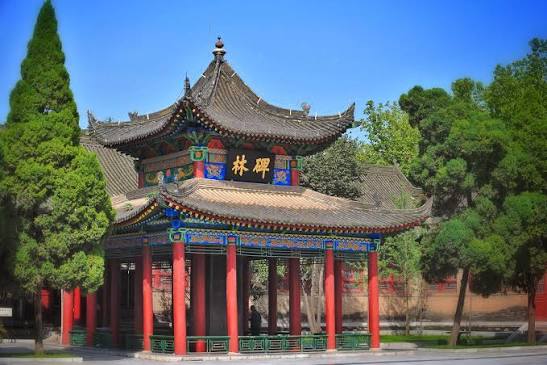
Xi’an Beilin Museum
碑林博物馆
Housed in a historic Confucian Temple inside the Wenchang Gate, this renowned museum preserves nearly 3,000 ancient stone steles, classical texts, and calligraphy masterpieces spanning over two millennia.
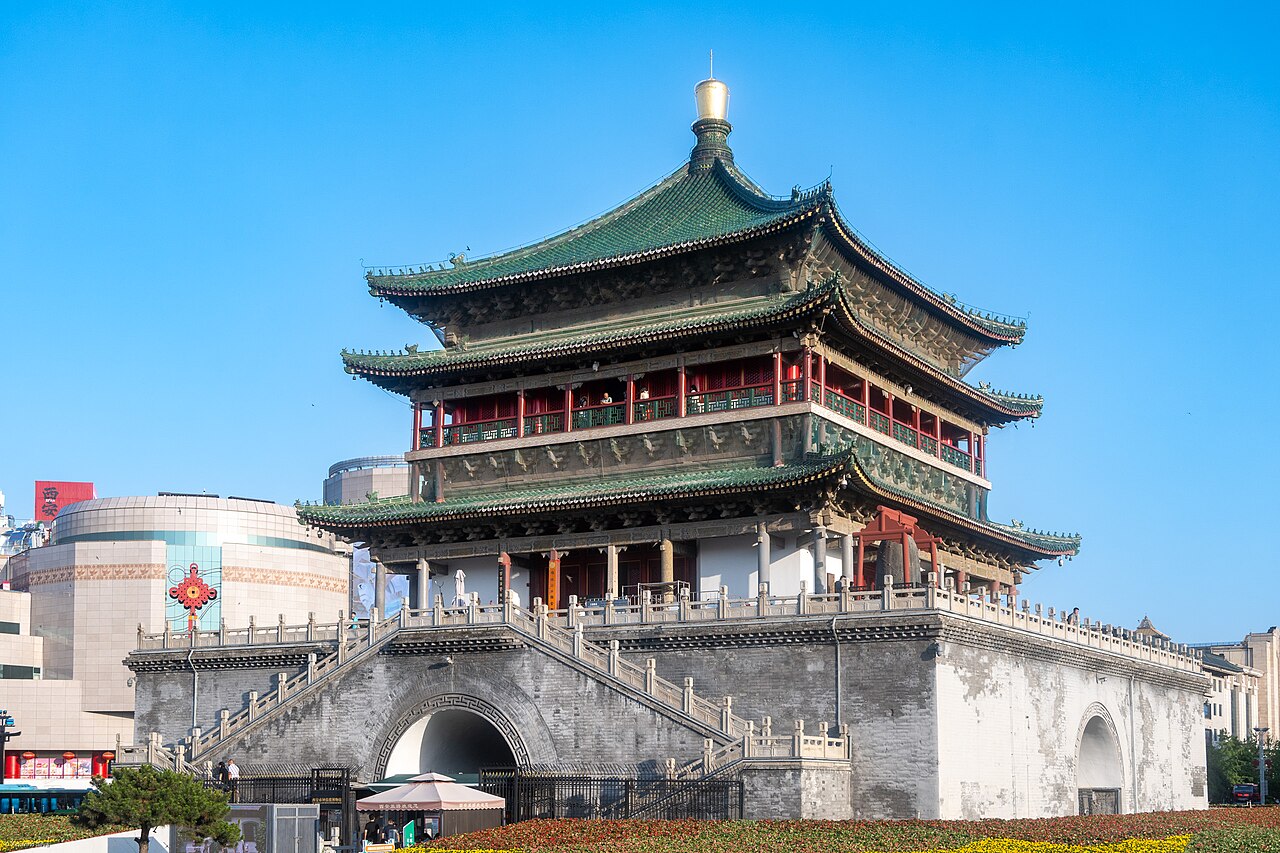
Bell Tower & Drum Tower
西安钟楼 · 鼓楼
Located at the geographic and cultural heart of Xi’an, these iconic Ming Dynasty structures remain enduring symbols of the city, illuminated spectacularly at dusk amidst lively commercial avenues.
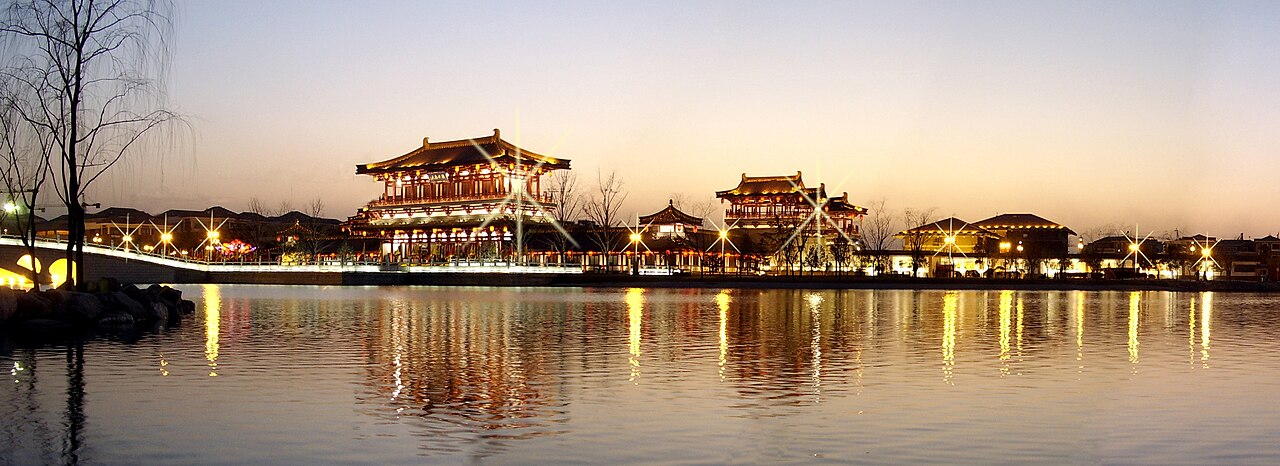
Tang Paradise
大唐芙蓉园
A majestic cultural park that recreates the grandeur and artistic atmosphere of the Tang Dynasty through traditional palaces, lakeside gardens, live period performances, and evening water-screen spectacles.
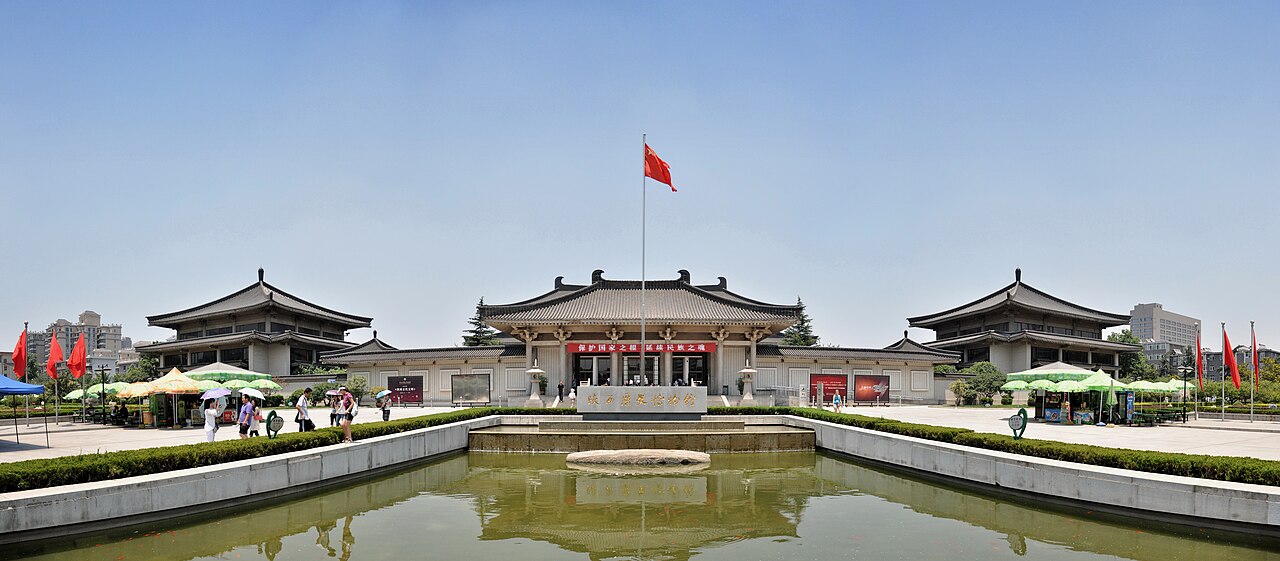
Shaanxi History Museum
陕西历史博物馆
Widely regarded as one of China’s finest museums, preserving over 370,000 precious cultural relics spanning thousands of years of imperial history, Silk Road commerce, and bronze-age masterpieces.
Join the IONMEM 2027 Waitlist
Register your interest to receive early access notifications, official program announcements, and submission deadlines.